3DS Emulation on Android Reaches New Heights with Major Azahar Update
The landscape of Nintendo 3DS emulation on Android has taken a significant leap forward with the release of a major update to the popular emulator Azahar. After a five-month gap in stable releases, the developers have launched Release 2124, which is being described as the emulator's largest and most impactful update to date.
A Focus on Performance and Responsiveness
The update addresses one of the most critical aspects of mobile gaming: input latency. A key change involves a default settings adjustment that disables the emulator's built-in Vsync feature. While Vsync was previously enabled by default to combat screen tearing, it was found to be redundant on Android devices, which have their own native frame pacing systems. By disabling it, the emulator now offers a noticeably more responsive gaming experience, with reduced lag between user input and on-screen action. This optimization is particularly beneficial for fast-paced games where timing is crucial.
Timing Aligns with Hardware Evolution
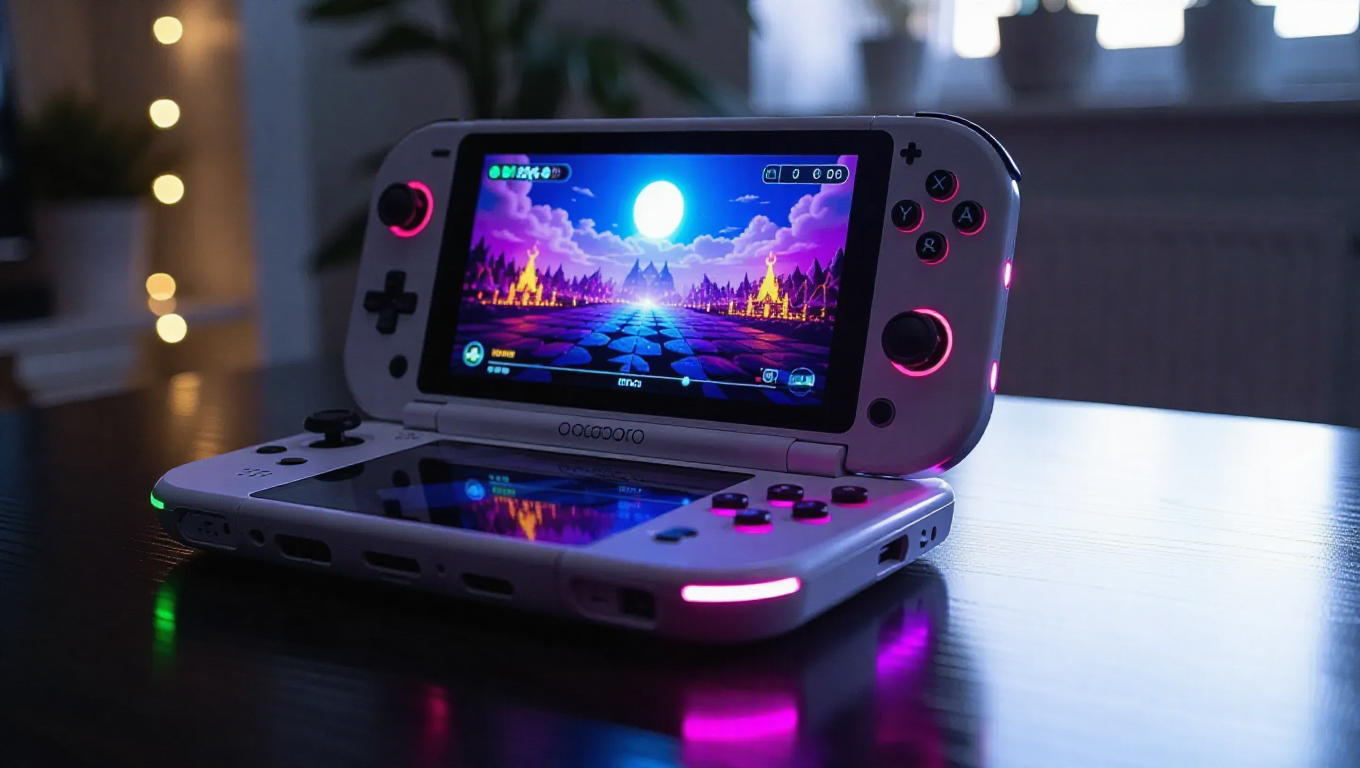
This performance boost arrives at an opportune moment, coinciding with a growing market for Android-based gaming handhelds designed with dual-screen layouts reminiscent of the original 3DS. These devices have renewed interest in portable emulation of the 3DS library. The improvements in Azahar are expected to enhance gameplay on this new generation of hardware, making the experience smoother and more authentic.
A Comprehensive Overhaul
Beyond the latency fix, Release 2124 is a comprehensive update with numerous improvements across its codebase. The developers have focused on cleaning up and consolidating the emulator's core systems. This foundational work not only delivers immediate performance gains but also sets the stage for greater stability and future enhancements. The update represents a significant step in the emulator's maturation, moving it closer to providing a seamless and reliable platform for enjoying classic 3DS titles on modern Android devices.
Conclusion
Azahar's latest stable release marks a pivotal moment for 3DS emulation on Android. By directly tackling input latency and performing a substantial code overhaul, the update delivers a tangibly better user experience. For enthusiasts looking to revisit the extensive 3DS library on their phones or dedicated handhelds, the emulation environment is now more capable and responsive than ever before.