2026: Showtime for Android XR Glasses
The extended reality (XR) landscape is on the cusp of a significant shift, with Android-powered smart glasses targeting a major market entry in 2026. After years of anticipation and development, the stage appears set for a new generation of wearable technology that blends digital information seamlessly with the physical world.
A Decade in the Making
The journey toward practical, consumer-friendly smart glasses has been long, marked by both ambitious prototypes and cautious retreats. The upcoming Android XR glasses represent a convergence of matured technologies and refined user experience principles. Early impressions suggest a device that feels less like a science experiment and more like a tool designed for daily use, with a particular emphasis on clear, unobtrusive visual overlays that enhance rather than overwhelm reality.
Focus on Core Functionality
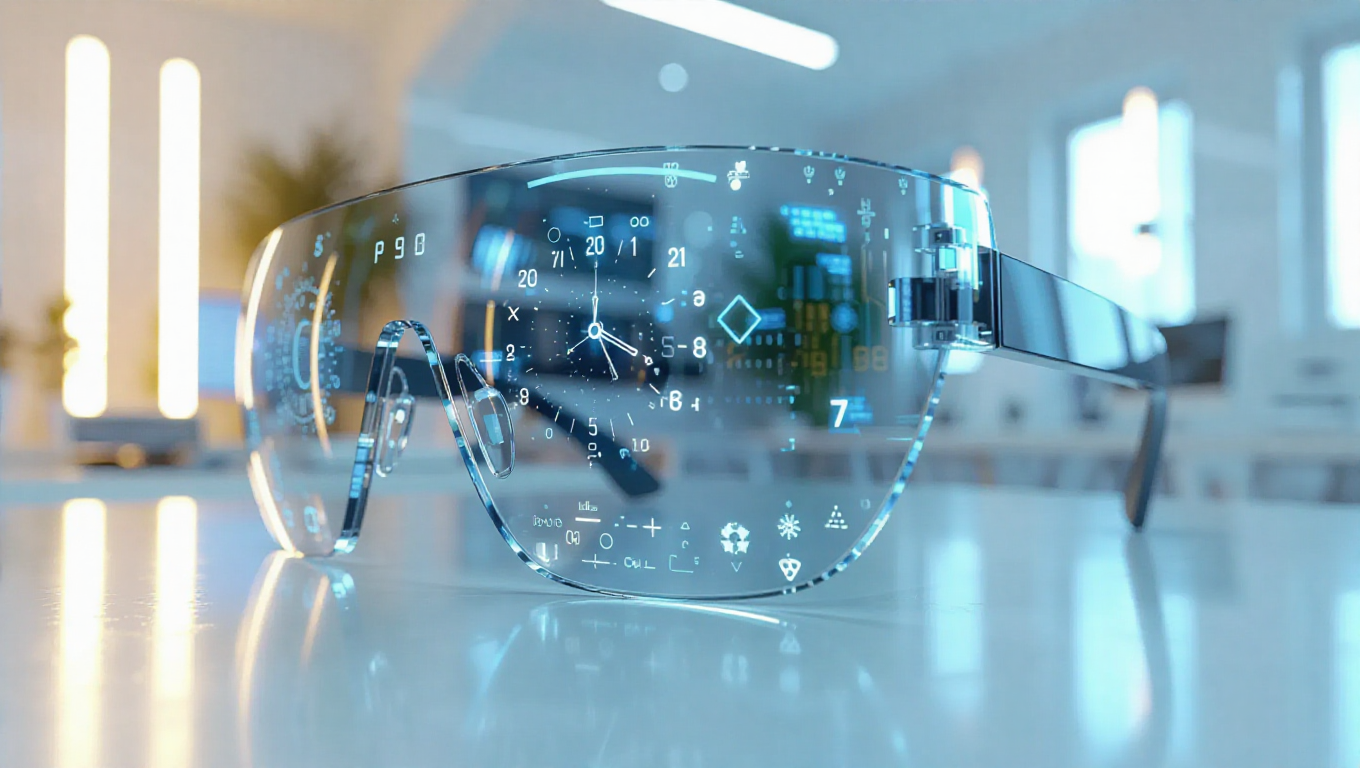
Initial evaluations highlight several key areas of focus. The display technology is reportedly a standout, capable of projecting crisp digital information—from simple notifications and clocks to more complex navigation cues—directly into the user's field of view without significant obstruction. This approach prioritizes situational awareness, a critical factor for wearable devices intended for use in dynamic, real-world environments.
Control schemes are described as intuitive, likely leveraging a combination of touch-sensitive frames, voice commands, and perhaps gesture recognition to minimize the learning curve. The goal seems to be creating an interface that feels natural and reduces the social friction often associated with earlier wearable tech. The underlying Android XR platform is expected to provide a robust foundation for developers, encouraging the creation of apps that leverage context-aware information and spatial computing.
Positioning in a Crowded Field
The 2026 timeline places these glasses into an increasingly competitive arena. They will not be entering a vacuum but will need to define their niche against established and emerging rivals. The strategy appears to lean on the ubiquity and familiarity of the Android ecosystem, potentially offering a more open and integrated experience for users already invested in that world. Success may hinge on demonstrating clear, everyday utility that goes beyond niche applications or gaming, positioning the glasses as a productivity and information tool.
The Road Ahead
While the promise is substantial, the final verdict will depend on execution. Battery life, comfort for extended wear, app ecosystem maturity, and price will be decisive factors for mainstream adoption. The 2026 launch window suggests confidence that these hurdles are being addressed. If successful, Android XR glasses could mark a pivotal moment, moving augmented reality from specialized devices and smartphone screens into a dedicated, always-available form factor. This would not only expand the XR market but also subtly redefine how we interact with digital information in our daily lives, making the blend of physical and digital spaces more seamless than ever before.